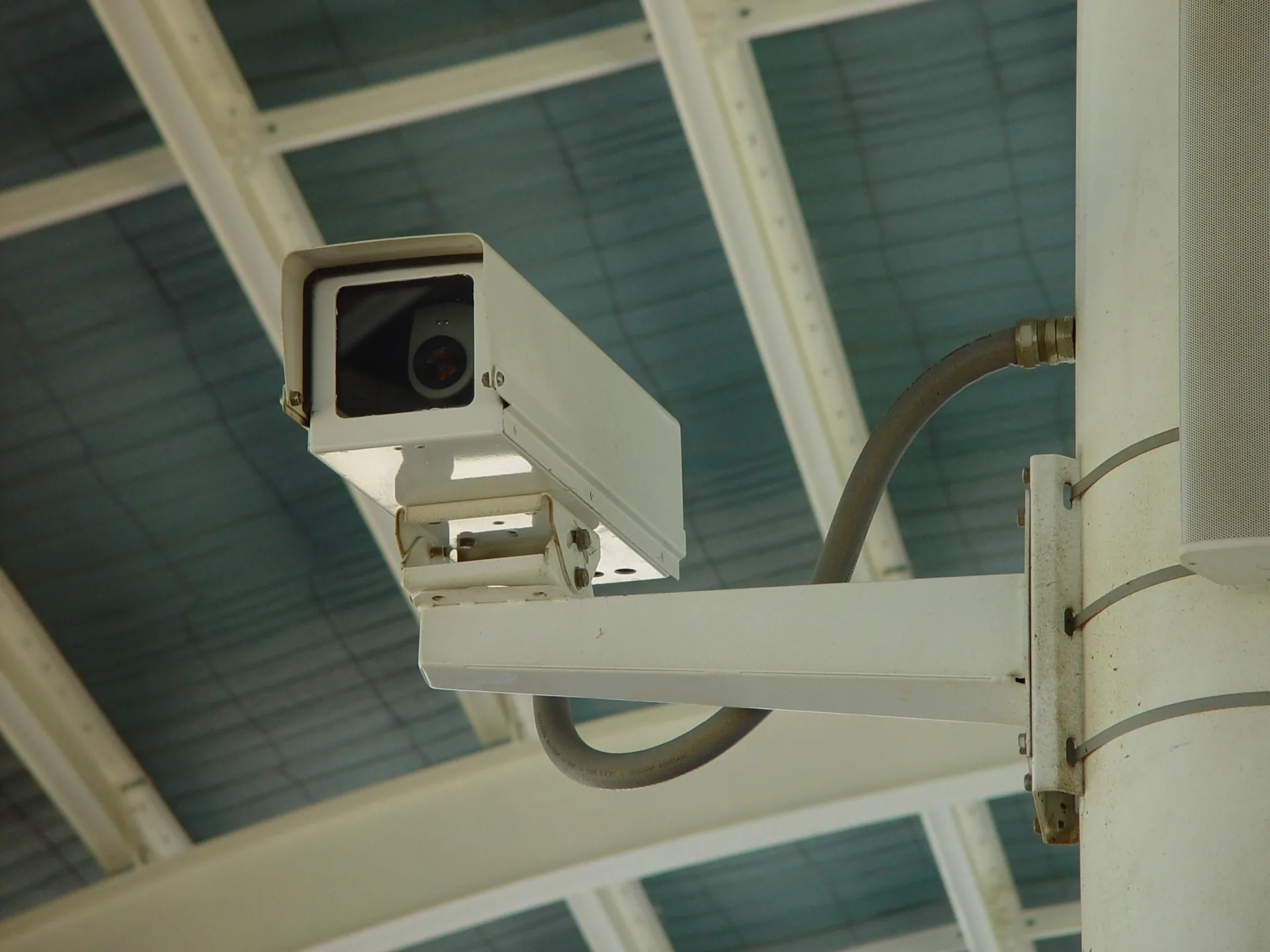
Why Your Data Is Not Really a Loan
When you lend someone a tool, you can ask for the same tool back. Data does not work that way. The recipient can copy it at negligible cost, place it in backups, transform it into statistics, combine it with outside records, and use it to create new information. Deleting the original does not automatically erase every copy or every conclusion drawn from it.
This is why “we may use your data to improve our services” deserves careful attention. Improvement can mean fixing a bug, measuring whether a feature works, training a recommendation system, evaluating employees, building advertising audiences, or developing an AI model. Those uses are not equivalent, even when they sit beneath the same broad sentence.
What a Service Can Collect
What you provide
Messages, documents, photos, voice, form entries, profile details, searches, and AI prompts.
What you generate
Clicks, dwell time, edits, location trails, device identifiers, purchase history, and social connections.
What others add
Contact uploads, tags, broker records, public sources, partner data, and conclusions produced by algorithms.
The FTC’s 2024 study of major social-media and video services found extensive collection, retention, sharing, and use of information in algorithms, analytics, and AI. It also found that users and non-users often had little or no way to opt out of automated uses. The lesson reaches beyond those particular companies: a privacy policy is only useful when it tells you the full lifecycle, not merely that data is “collected.”
Inference Changes the Stakes
A grocery list is ordinary. Months of grocery lists can suggest a medical condition, religious practice, pregnancy, financial stress, or who lives in a household. A location ping is ordinary. A pattern of pings can reveal a home address, workplace, clinic visit, place of worship, or confidential business meeting.
These conclusions may be correct, wrong, or somewhere in between. All three can affect you. Profiles can shape what information, prices, opportunities, advertising, or scrutiny you receive. The person being judged may never see the inferred attribute, know it exists, or get a meaningful chance to correct it.
Where the Risk Comes From
| Risk | Why it matters | What to look for |
|---|---|---|
| Purpose drift | Data gathered for one feature becomes useful for advertising, AI development, or a new product. | Broad phrases such as “improve services,” affiliate sharing, and unilateral policy changes. |
| Long retention | Every retained copy extends the window for breaches, legal demands, insider misuse, or later repurposing. | Specific deletion periods, backup treatment, and whether derived data is deleted too. |
| Corporate change | An acquisition, merger, or new business model can put old data under new incentives. | Change-of-control clauses and whether users can export and delete before a transfer. |
| Concentration | One account can connect identity, communications, purchases, location, work, and social life. | Cross-service linking, single-sign-on dependencies, and data shared across affiliates. |
| Third parties | Partners and contractors enlarge the circle of people and systems that can touch the data. | Subprocessor lists, employee access rules, audit controls, and onward-transfer limits. |
Encryption is not one promise
HTTPS protects data while it travels, and server-side encryption protects a disk if it is stolen. Neither prevents a provider that holds the keys from reading the data. If provider access is part of your threat model, look for end-to-end or zero-knowledge encryption and ask what metadata remains visible.
Questions Worth Asking Before You Upload
- Necessity: does the service need this exact data to perform the feature?
- Access: can the provider, its employees, contractors, affiliates, or partners read it?
- Reuse: can it be used for advertising, analytics, product development, or model training?
- Control: is reuse opt-in, opt-out, or unavoidable? Are controls different between consumer and business plans?
- Retention: what remains after deletion, account closure, or the end of a contract?
- Portability: can you export usable copies and move without abandoning your history?
- Change: how will you learn about a new purpose, owner, or subprocessor?
Build a Smaller Data Footprint
The strongest privacy control is often data that never left your possession. Keep sensitive originals local or in storage where the provider cannot decrypt them. Separate work and personal identities. Turn off contact uploads, location history, ad personalization, and optional telemetry when they are not serving you. Prefer tools that let you pay with money rather than behavioral access, but still inspect their data practices: a subscription is not proof of privacy.
For organizations, classify information before adopting a tool. Public material, routine internal work, confidential customer data, trade secrets, and regulated records should not all flow through the same systems. Give people an approved route for each class; otherwise convenience will create an unofficial one.
References & Further Reading
- U.S. Federal Trade Commission, A Look Behind the Screens (2024).
- U.S. National Institute of Standards and Technology, NIST Privacy Framework.
- European Data Protection Board, Opinion on AI Models and Personal Data (2024).
- Wikimedia Commons, Security camera image and license.
.jpg)
Where OWL Can Fill the Gaps
NDEVR OWL is one implementation of the privacy-first pattern described above. Files are encrypted on your device, sharing keys are sealed to intended recipients, and the storage server does not hold usable plaintext keys. OWL also brings files, private sharing, and encrypted communication into one place, reducing the need to scatter sensitive work across unrelated services.
That closes an important gap, not every gap. Recipients can still copy what they can decrypt, compromised devices can expose plaintext, and account and traffic metadata still require protection. The useful difference is structural: the provider does not need to borrow the contents of your files in order to store and deliver them.