What You Need
- A ColecoVision-capable cartridge reader. The Open Source Cartridge Reader (OSCR) reads ColecoVision carts with its adapter; dedicated Coleco readers exist too. Prebuilt OSCRs come from Save the Hero Builders.
- Isopropyl alcohol and swabs — clean the cartridge edge before reading; 40-year-old contacts cause bad dumps.
- Your own console, once, to dump the BIOS (see below).
Dumping, Step by Step
.col — which plays once your console’s BIOS is installed. Diagram: NDEVR.- Clean the contacts with isopropyl alcohol.
- Read the cartridge in the reader — the ROM is tiny, so it is instant.
- Verify. Compare against the No-Intro database to confirm a clean read.
The ColecoVision BIOS
One extra dump — from your own console
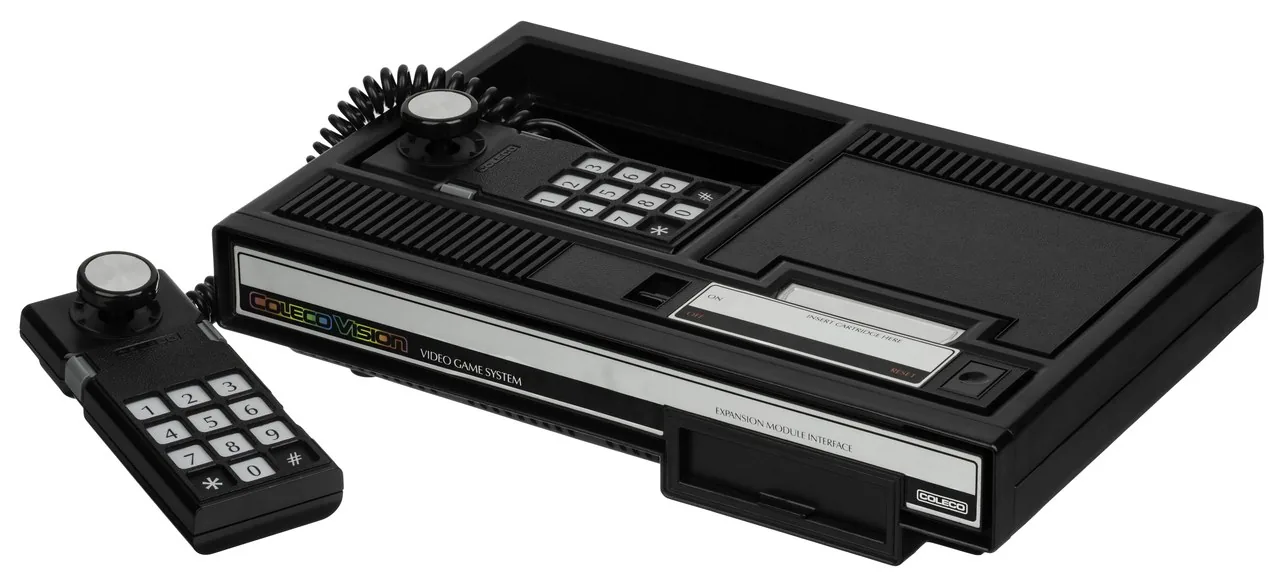
The ColecoVision runs a small built-in BIOS (the boot ROM that shows the “Coleco” screen), and the emulator core needs a copy to start any game. That BIOS is itself copyrighted, so — exactly like the cartridges — you dump it from a console you own rather than downloading it. Read the console’s internal ROM (colecovision.rom, ~8 KB) with the same reader family, then upload that raw file once in the OWL player’s ColecoVision emulator settings — no need to zip a single file; the player names it correctly for you. Every Coleco game you add afterward uses it. It is the only firmware you ever supply for this system.
A note on the ADAM: the OWL player runs ColecoVision cartridges, which the ADAM also played. Native ADAM software on its own disks and digital data packs is a different format and isn’t supported here — back those up separately if you have them.
Playing Your Backup
Upload Game.col to your OWL media library and it lands in the Games collection. With your BIOS installed, the ColecoVision core runs it in the browser with save states synced across your devices. In CSD mode with provider-held recovery disabled, game, save and BIOS payloads remain end-to-end encrypted; account and library metadata remain visible to the service.